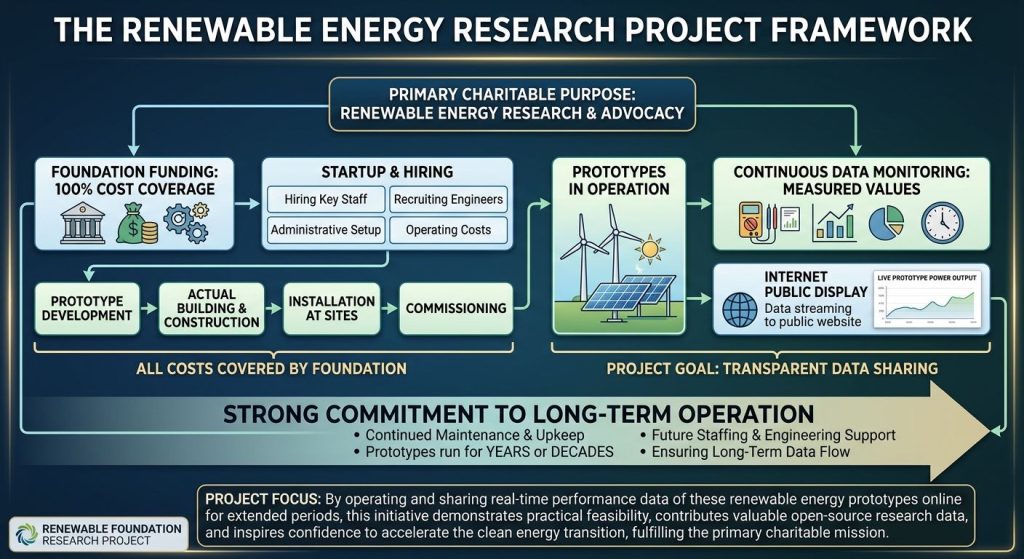
Under Internal Revenue Code (IRC) § 4944(c) and Treasury Regulations, a Program-Related Investment (PRI) is treated much like a charitable grant rather than a traditional commercial investment.Allowable expenses fall into two distinct perspectives: how the recipient spends the funds and what the foundation can claim as qualifying expenses.
1. Allowable Use of Funds by the Recipient
The IRS does not evaluate PRIs by strict line-item categories (like travel vs. equipment). Instead, any expenditure directly tied to accomplishing the specified charitable purpose is allowable, provided it satisfies the PRI agreement and expenditure responsibility rules.
- Capital Expenditures & Facilities:Land acquisition, construction, equipment purchases, or rehabilitation of affordable housing, medical facilities, charter schools, or community facilities.
- Working Capital & Operational Costs:Payroll, inventory, program supplies, technology, and operating costs incurred to execute the charitable mission (e.g., launching an orphan-drug clinical trial, providing microfinance services, or running job-training operations).
- Pre-Development & Bridge Financing: Feasibility studies, architectural design, environmental impact assessments, and short-term liquidity bridge loans ahead of tax-credit or government funding.
- Credit Guarantees & Linked Deposits: Pledging funds to secure third-party loans for underprivileged entrepreneurs or community developers.
2. Allowable Administrative Costs for the Foundation
Under Treas. Reg. § 53.4942(a)-3(a)(2)(i), reasonable administrative expenses incurred by the foundation to evaluate and oversee a PRI count as direct charitable expenditures (qualifying distributions) toward its mandatory 5% annual payout:
- Legal & Structuring Fees: Drafting loan agreements, promissory notes, equity term sheets, side letters, and obtaining formal legal opinion letters or IRS Private Letter Rulings (PLRs).
- Due Diligence & Underwriting: Third-party financial viability reviews, site visits, technical appraisals, and impact measurement assessments.
- Expenditure Responsibility & Monitoring: Costs associated with tracking annual reports, financial auditing of the enterprise, and IRS Form 990-PF compliance.
3. Strictly Prohibited Expenditures
Using PRI proceeds for any of the following triggers severe excise taxes on taxable expenditures (IRC § 4945) and jeopardizing investments (IRC § 4944):
- Lobbying & Political Activity: Any attempt to influence legislation or participate/intervene in any political campaign on behalf of a candidate (Treas. Reg. § 53.4944-3(a)(1)(iii)).
- Private Benefit & Self-Dealing: Unreasonable compensation, sweetheart deals, or any transaction that directly or indirectly benefits foundation trustees, officers, substantial contributors, or disqualified persons (IRC § 4941).
- Purely Commercial Expansion:Activities where the primary driver is commercial market-rate profit or property appreciation rather than an exempt charitable purpose.